Start With the Essentials
First, confirm the basics work. Reliable hookups matter most for long stays. Check for full water, sewer, and electric service. Additionally, verify the amperage matches your rig.
Then test the power stability. Frequent outages ruin remote work and spoil food. Therefore, ask current residents about reliability. Their answers reveal the truth.
Evaluate the Monthly Rate and What's Included
Price tells only half the story. Instead, ask what the rate actually covers. Many parks bundle water, sewer, trash, and Wi-Fi. Others charge for each separately.
Also, clarify the electricity setup. Most parks meter power for monthly guests. Consequently, your bill shifts with the seasons. A clear breakdown prevents budget shocks later.
Inspect the Site Itself
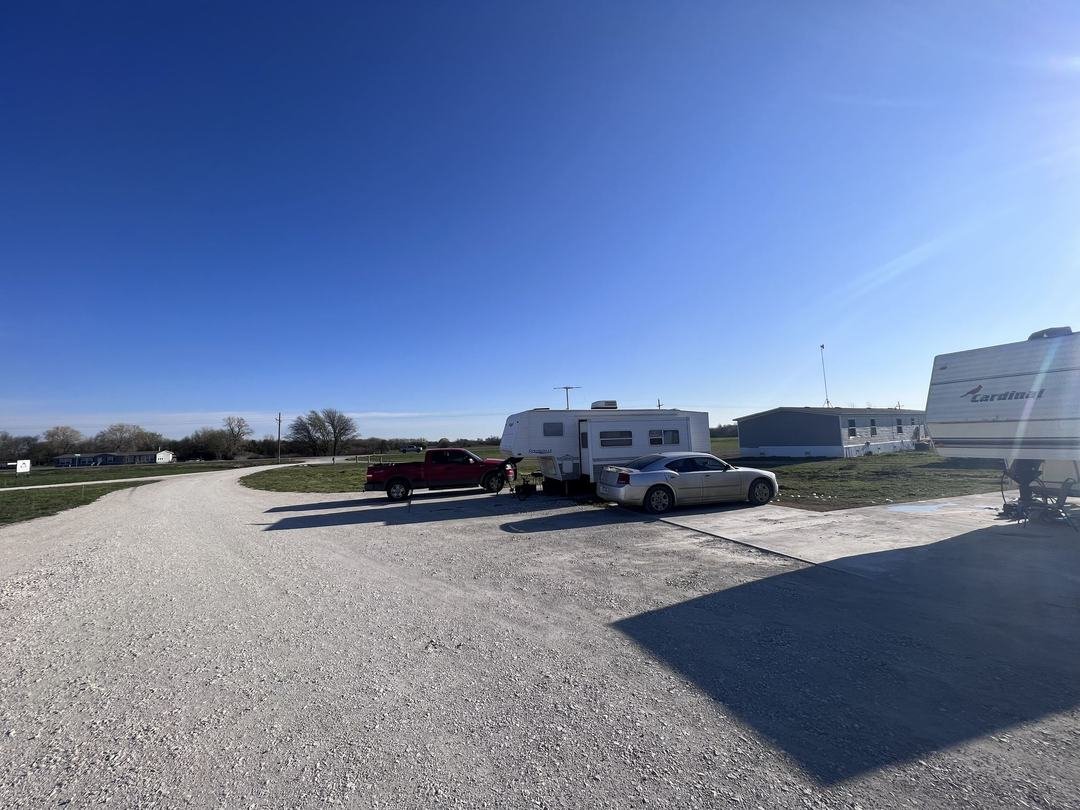
Never rent a site unseen. Walk it first whenever possible. Look for level ground, since an unlevel rig causes daily headaches. Check drainage, too, because standing water breeds problems.
Measure the space, as well. A cramped site feels smaller every week. Meanwhile, a roomy pad makes long stays pleasant. Covered sites add bonus shade and hail protection.
Judge the Internet and Cell Coverage
Connectivity shapes modern RV life. Weak signal frustrates workers and streamers alike. Therefore, test your phone on-site before signing.
Ask about park Wi-Fi honestly. It rarely handles heavy use. So plan a backup, like a hotspot or Starlink. Strong coverage should rank high on your checklist.
Assess Cleanliness and Maintenance
A well-kept park signals good management. Look for trimmed grass, clean restrooms, and tidy sites. Meanwhile, neglect suggests future problems.
Notice how staff respond to issues. Quick repairs mean reliable support. Slow responses spell frustration. Consequently, management quality affects your daily comfort.
Consider Safety and Security
Long-term living demands peace of mind. Check for good lighting throughout the park. Ask about gates, cameras, and quiet hours. Additionally, visit at night if you can.
Talk to residents about their experience. They'll tell you whether they feel safe. Their honesty beats any brochure.
Look at Location and Access
Location shapes your whole routine. A park near town simplifies errands. Meanwhile, a remote park offers quiet but longer drives.
Match the location to your needs. Working residents want easy job access. Retirees may prefer peace and scenery. Therefore, weigh convenience against calm.
Review the Rules and Lease Terms
Every long-term park has rules. Read them before you sign. Common policies cover the following:
- Rig age limits, often ten years
- Pet breeds, sizes, and fees
- Guest and visitor allowances
- Appearance and clutter standards
- Notice periods for leaving
Clear rules prevent surprises. Moreover, they reveal whether the park fits your lifestyle.
Check the Community Vibe
Neighbors shape your daily experience. Some parks feel social and warm. Others stay quiet and private. Neither is wrong. However, you should know which you're joining.
Visit during the day and evening. Notice how residents interact. A friendly, respectful community makes long stays far more enjoyable.
Your Quick Checklist
Before committing, confirm these points:
- Reliable, correctly rated hookups
- Clear pricing with utilities explained
- A level, well-drained, roomy site
- Strong internet or cell coverage
- Clean grounds and responsive staff
- Good safety and sensible rules
Cover these, and you'll choose wisely.